

If you’re new to natural remedies and wondering how to essential oils for natural remedies, this guide is for you. You don’t need a ton of books and a huge collection of oils to get started. With just a few oils, you can care for everyday aches, stress, sleep troubles, digestion support, mood balance, skin care, and cold, all in a natural, gentle way that fits your home and family life.
This beginner-friendly guide will walk you through the safest, easiest ways to use essential oils so you can enjoy their benefits without feeling overwhelmed. Though there’s an initial cost to gathering a few quality essential oils, it definitely doesn’t have to be overly expensive or intimidating.
In this guide we’ll walk through:
- What essential oils are
- How to use them safely based on real aromatherapy guidelines
- Everyday oils that are easy for beginners
- Simple ways to use them in real life
Let’s keep this simple, practical, and doable.
What Are Essential Oils?
Essential oils are concentrated plant extracts, or aromatic molecules from flowers, leaves, stems, bark, or roots.
They’re not food, not fragrance oils, and not weak herbal teas, they’re potent plant concentrates, or elements within an oil of the plant (oil within an oil). When used properly, scents and compounds from essential oils can support the body and uplift the mind.
Because they are highly concentrated, a little goes a long way. And safety matters.
When used properly, they can support:
- Immune health
- Relaxation and sleep
- Respiratory comfort
- Headaches and tension
- Skin care
- Mood and emotional balance
How to Use Essential Oils Safely
Before using essential oils, a few simple rules make all the difference:
1. Dilute
First, essential oils are oils within oils of the plant. They are very concentrated and, as a general rule, should be diluted to reduce risk of irritation and sensitization, as well as avoiding evaporation. In an effort to get a “stronger” impact you may apply essential oils only to have them evaporate within seconds or minutes because you did not dilute them in a carrier oil.
Second, dilution with children is very important!
A Good Guideline:
- 1% dilution: safe for children, pregnant women, elderly adults, and sensitive skin
- 2% dilution: typical for most adults without health issues
This means about 3 drops of essential oil per tablespoon of carrier oil for gentle use.
Learn more about essential oil safety here.
Oil that can be used for dilution:
- Coconut oil
- Olive oil
- Sweet almond oil
- Apricot kernel oil
- Jojoba oil
- Evening primrose oil
2. Avoid eyes, mouth, and sensitive areas
Oils are powerful. Keep them away from eyes, inner ears, and mucous membranes. Instead of inside the ear, place tea tree behind the ear to help with ear infections.
Both the Alliance of International Aromatherapists and NAHA do not recommend taking essential oils internally unless a healthcare practitioner trained in clinical aromatherapy specifically advises it.
I have used peppermint oil on the roof of my mouth to open sinuses or in a drink in the past, but even this must be used carefully, especially when not diluted in a carrier oil first.
3. Use oils carefully around sensitive people
Children need lower dilutions and gentler oils. Less is more.
I recommend higher caution for:
- Infants and toddlers
- Pregnant or breastfeeding women
- Those with sensitive or damaged skin
- Pets (especially cats!)
These groups may require much lower dilutions or avoidance of certain oils entirely. As I mentioned, cats are extremely sensitive. Dogs do better around oils like cedarwood or lavender.
There is SO much misinformation on the internet about essential oils for those in these categories. One person makes a statement and suddenly it’s regurgitated on 100 other websites who copied them. The national aromatherapy associations of various kinds are a much better source. I only use tested sources and my own experience, but also do your own research.
4. Quality matters
Essential oils can be a scam if they are diluted, have cheaper scents mixed in, or are actually cheap fragrance oils. Make sure to choose reputable sources that list botanical names and extraction methods. Their websites should show 3rd party testing, history, and the location of where the plants are sourced.
I really like Starwest Botanicals and Mountain Rose Herbs and really trust them.
The 7 Best Essential Oils for Beginners
If you’re just starting, you don’t need 20 bottles. Start with a simple foundation. It’s easier to learn about the plant and ways to use it as an herb as well as essential oil if you start slowly.
Below are oils that I recommend for everyday home use:
🌿 Lavender (Calming and Supportive)
Lavender is one of the most versatile oils, used for nervous tension, restlessness, and a soothing atmosphere before bedtime. It is known for being a gentle essential oil.
Good for: sleep, anxiety, soothing minor burns, headaches, skin irritation
How to use:
- Diffuse in the bedroom at night for anxiety and as a sleep aid.
- Add a drop to a carrier oil and massage onto wrists or feet for calming support.
- Add 5 drops to 2 ounces of carrier oil and apply to light burns or skin irritations.
Learn more about using essential oils in skin care.
🌿 Peppermint (Headache and Focus)
Peppermint is another gentle, beginning oil with a powerful impact. It’s well-known for supporting headache relief, digestion comfort, and revitalizing energy and cooling.
Good for: headaches, nausea, focus, congestion, muscle tension
How to use:
- Dilute peppermint with carrier oil and rub on temples or neck to ease headache discomfort.
- To relieve congestion, place a drop on your finger and place it on the roof of your mouth.
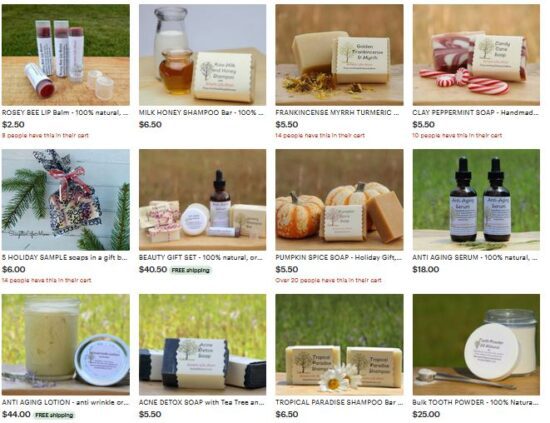
- As a cooling agent, buy a peppermint soap bar. I have a number to choose from in my shop.
🌿 Tea Tree (for Infections)
Tea tree essential oil is widely used for its antimicrobial and cleansing properties in skin care and home cleaning. It’s my go-to for acne problems, skin infections, and ear infection.
Good for: acne, cuts, fungal issues, immune support, skin infections
How to use:
- Create a homemade cleanser with a few drops of tea tree + water + vinegar for natural cleaning. Here are more natural cleaning recipes.
- Dilute 5-10 drops into 2 ounces of a carrier oil and gently apply to the skin for acne, eczema, and other skin irritations that may be bacteria related or effected.
- For an ear infection, place a drop on your finger and put in on your neck, right behind the ear lobe. Repeat 3x a day.
- Here are many acne products with tea tree in them as well.
🌿 Lemon (Uplifting and Cleansing)
Lemon essential oil has antioxidant and cleansing qualities and a bright scent that can uplift mood and support digestive comfort.
Good for: mood, cleaning, air purification, immune support
How to use:
- Diffuse in living spaces for a refreshing atmosphere.
- Add to homemade, natural cleaning sprays for a fresh, toxin-free clean
🌿 Eucalyptus (Respiratory Ease)
Eucalyptus is among the most commonly used oils for supporting respiratory comfort and clearing congestion.
Good for: congestion, coughs, chest support, sinus issues
How to use:
- Diffuse during cold or allergy season (along with tea tree, lemon, and peppermint).
- Inhale vapor (from a diffuser or steam) to help open nasal passages.
NOTE: do not diffuse eucalyptus around small children at all. Also, do not diffuse around pets unless they are able to leave the room easily.
🌿 Frankincense (For Inflammation!)
Frankincense is one of the oldest essential oils used historically for emotional grounding, calming, and skincare support. Research shows it has antioxidant and soothing properties. It is so incredibly anti-inflammatory that I make a frankincense extract for back and joint pain. I hear from people all the time who are excited at how much it has helped them.
Good for: skin health, anxiety, inflammation, immune support
How to use:
- Use a Frankincense Extract for pain relief.
- Add frankincense to face creams and oils.
🌿 Ginger (Optional for Digestion & Nausea)
Ginger essential oil is kind of stinky, but it is great for supporting digestion, easing nausea, and soothing discomfort.
Good For: Digestion
How to use:
- Inhale ginger during an upset stomach or nausea.
- Dilute and then rub on your abdomen for mild digestive relief.
How to Use Essential Oils for Everyday Illnesses
Here’s how to use essential oils in real life, without any complicated recipes:
Headaches & Tension with Peppermint and Lavender
- 1 drop peppermint
- 1 drop lavender
- 1 tablespoon carrier oil
How to Use: Massage onto temples, back of neck, and shoulders for soothing tension relief.
Sleep & Anxiety with Lavender
- 1–2 drops in a diffuser
- Or diluted and applied to wrists and chest
Diffusing a few drops of lavender at bedtime can support restful sleep habits. Many people feel calmer and sleep better by using lavender in aromatherapy.
**I have to mention, another essential oil that is AMAZING for a mind that just won’t quit at night is vetiver.
Congestion & Colds with Eucalyptus and Peppermint
- Diffuse
- Or add to a bowl of hot water and inhale steam
Add 2–3 drops of eucalyptus or peppermint to a bowl of hot (not boiling) water. Cover your head with a towel and breathe deeply for a few minutes to open nasal passages.
Muscle Pain with Peppermint and Frankincense
- Dilute in a carrier oil and massage into sore areas
Minor Cuts & Skin Issues with Tea Tree
- Dilute and apply directly to the area
Natural Cleaning with Lemon and Tea Tree
- 1 cup water
- ½ cup white vinegar
- 8–10 drops lemon or tea tree oil
- Shake before use for a fresh, toxin-free cleaner.
Why Simple Living and Essential Oils Go Together
Natural living isn’t about doing everything. It’s about doing a few things well.
Essential oils help reduce:
- Toxicity in the home (from toxic cleaners or synthetic fragrances)
- Chemicals in skincare
- Medicine cabinet products (less is more)
They support a slower, more intentional way of caring for your home and family, one rooted in stewardship, simplicity, and wisdom.
Essential oils aren’t a replacement for medical care, but when used wisely, they can be complimentary tools for everyday comfort and home care. Always approach them with respect, attention to safety, and in ways that honor your family’s unique needs.
Start removing toxins from your skin care routine by making your own products.



Leave a Reply
We'd love to hear your thoughts and ideas!